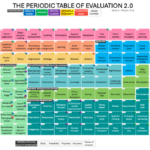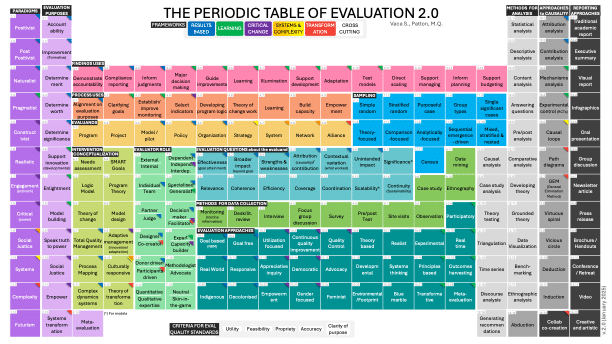
This visual is a good reminder.
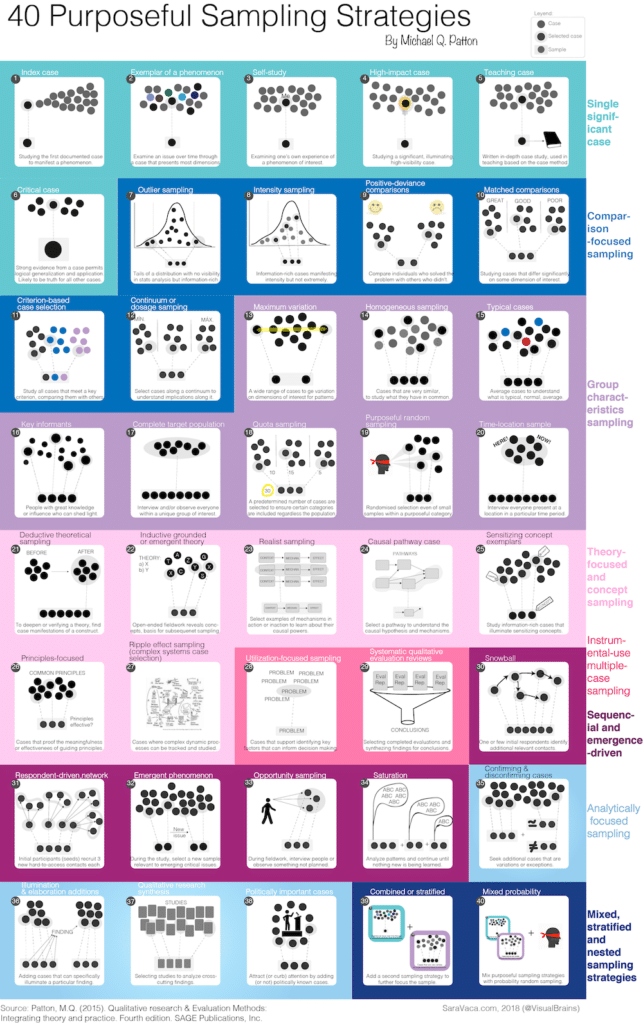
There are 40 (!!) purposeful sampling strategies—all the different ways you can intentionally choose cases in qualitative evaluation.
Not randomly. Not conveniently. Deliberately.
Each sampling strategy is a different way of looking at reality.
- Some help you see variation (maximum variation)
- Some focus on what works (positive deviance)
- Others test key assumptions (critical cases)
- Others zoom into the typical or the extreme
Same evaluation. Different lens. Different story.
With small N, this becomes even more obvious.
You’re not trying to “cover the population”. You’re trying to make meaning visible.
Which also explains why inception phases feel messy: We want clarity. But we’re still deciding:
👉 what kind of understanding we are after
👉 and therefore… what kind of cases we need
Clarity comes after these choices, not before.
So maybe the real question is not: “Is this sample representative?”
But: “What is this sample designed to reveal?”
Good sampling – or even better: call it Selection instead of Sampling 🙂
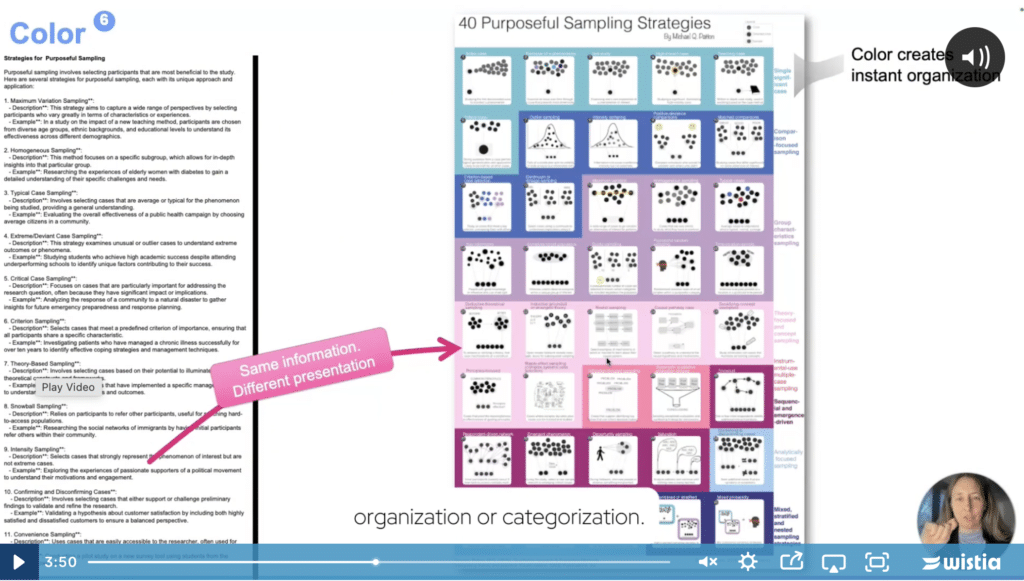
40 Sampling Strategies
Quick visual reminder of the 40 strategies, organized by color-coded categories. In high quality. Enjoy 🙂